
This is the 16th of MacRo’s AI series. In previous posts, we’ve asked whether data centers are being fairly evaluated—or whether they have become the focal point for broader infrastructure concerns. We also examined the legal challenge to referendum in last week’s Article 15.
These questions naturally lead to another:
If not data centers, then what?
It’s a question that is often implied in public discussions but rarely addressed directly.
The Reality of Industrial Land Use
Frederick County’s Critical Digital Infrastructure Overlay Zone (CDI-OZ) did not appear in a vacuum. The land it encompasses—particularly around the former Eastalco site—has long been identified for industrial use.
Historically, that land could have supported:
- Manufacturing facilities
- Distribution and logistics centers
- Heavy industrial operations
- Energy-related uses
Each of those alternatives comes with its own impacts.
Manufacturing generates jobs, but often brings:
- Continuous truck traffic
- Higher emissions profiles
- Larger workforce-related infrastructure demands
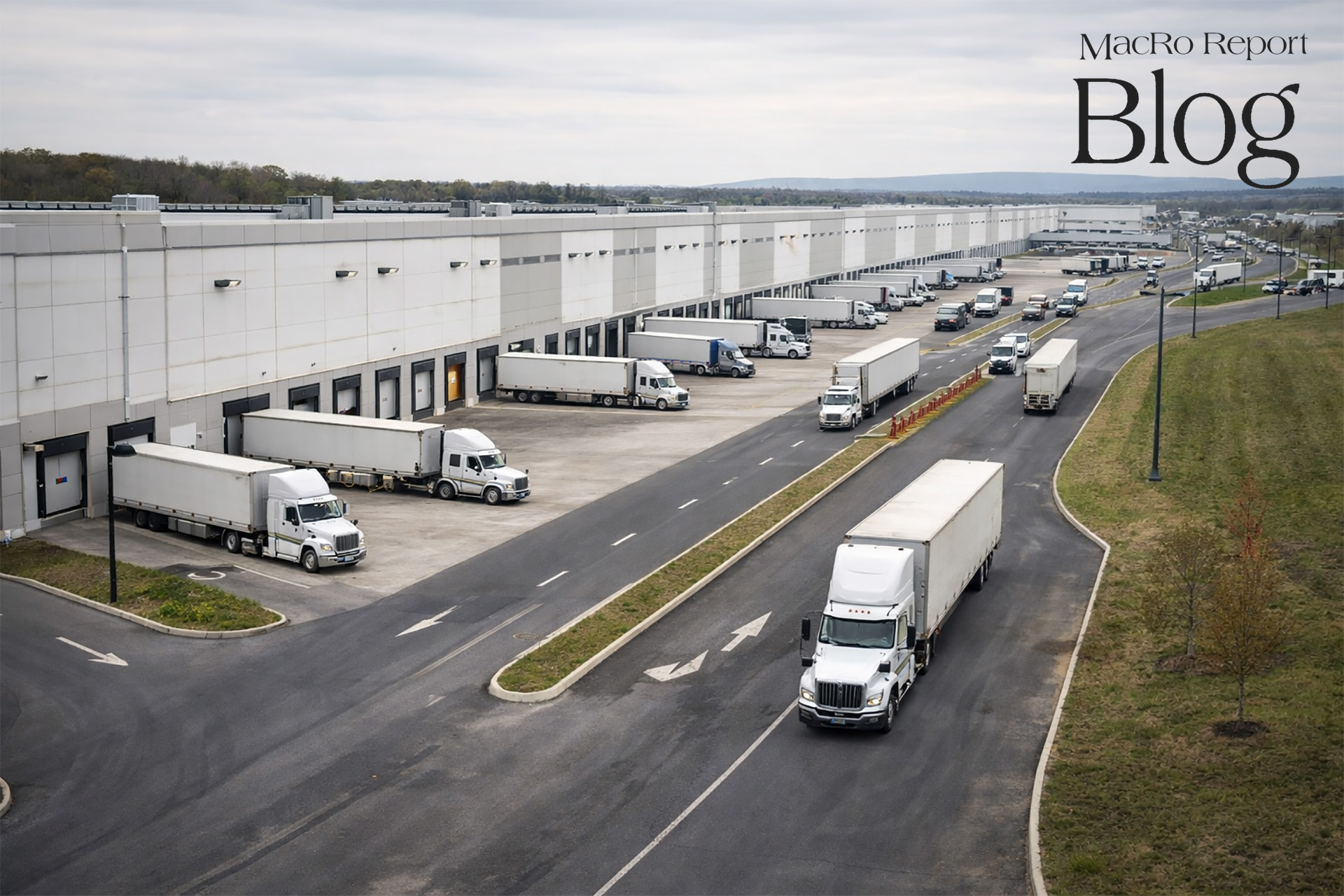
Logistics and warehousing can produce:
- Thousands of daily truck trips
- Increased road wear
- Traffic congestion
Heavy industrial uses can involve:
- Continuous noise
- Air emissions
- Significant environmental oversight
In that context, data centers represent a different type of industrial use—not impact-free, but different in character.
Comparing Impacts
One of the more overlooked aspects of data centers is what they do not bring:
- Minimal daily traffic once operational
- No large workforce commuting daily
- No continuous manufacturing processes
- Limited public service demand
At the same time, they do bring:
- High electricity demand
- Large physical structures
- Backup generation systems
- New infrastructure such as substations and transmission lines
The tradeoff is not between impact and no impact.
It is between different types of impact.
The Energy Question
Much of the current debate centers on power—how much is needed, where it comes from, and how it is delivered.
But that question exists regardless of land use.
Electric demand is rising due to:
- Electrification of transportation
- Heating and building systems
- Population growth
- And increasingly, artificial intelligence
Data centers are a visible part of that demand, but they are not the only driver.
If those facilities are not built in Frederick County, they are likely to be built somewhere else—drawing on the same regional grid.
Economic Tradeoffs
There is also a fiscal dimension.
Data centers can:
- Generate significant property tax revenue
- Expand the commercial tax base
- Do so with relatively low demand on schools and public services
Alternative uses may:
- Generate more jobs
- But also require more infrastructure and services
Again, the question is not which option has no impact—but which aligns best with the community’s priorities.
A Broader Perspective
Frederick County is not alone in facing this decision. Communities across the country are grappling with the same questions as digital infrastructure expands.
The pace of change—driven largely by artificial intelligence—has compressed what might have been a gradual transition into a much shorter timeframe.
That has made the conversation more immediate, and in many cases, more emotional.
Coming Back to the Question
So—if not data centers, then what?
There is no single answer.
But asking the question helps clarify something important:
The issue is not whether change will occur. It is how that change is managed.
As the conversation continues, understanding the full range of alternatives—and their tradeoffs—may be just as important as evaluating data centers themselves.
Become a MacRo InsiderWith more than 50 years advising regional landowners, investors, and institutions, Rocky Mackintosh, Broker of MacRo, LTD has firsthand experience supporting nationally recognized hyperscalers with site search and selection services throughout the Mid-Atlantic. Our team has worked at the interface of land planning, infrastructure analysis, and high-value redevelopment—experience that uniquely informs our understanding of projects like Quantum Frederick.